01
Remove Residue
Odors often cling to spills, grease, soap film, food particles, laundry buildup, trash areas, and damp materials. Start by removing visible residue before adding scent.
A fresh home is not created by fragrance alone. True odor control begins with identifying the source, cleaning the surface, refreshing the air flow, caring for fabrics, and finishing with a restrained scent layer. This guide explains how to build a cleaner, calmer, more reliable freshness routine across kitchens, bathrooms, laundry areas, living rooms, entryways, and everyday shared spaces.
Freshness Foundation
Lasting freshness comes from a layered system. A room can smell pleasant for a moment, but if the underlying residue remains, the odor returns. Cleanvia recommends a source-first approach: remove what causes the odor, clean the surrounding surface, manage humidity and air movement, refresh absorbent materials, then add home fragrance as a final atmospheric detail.
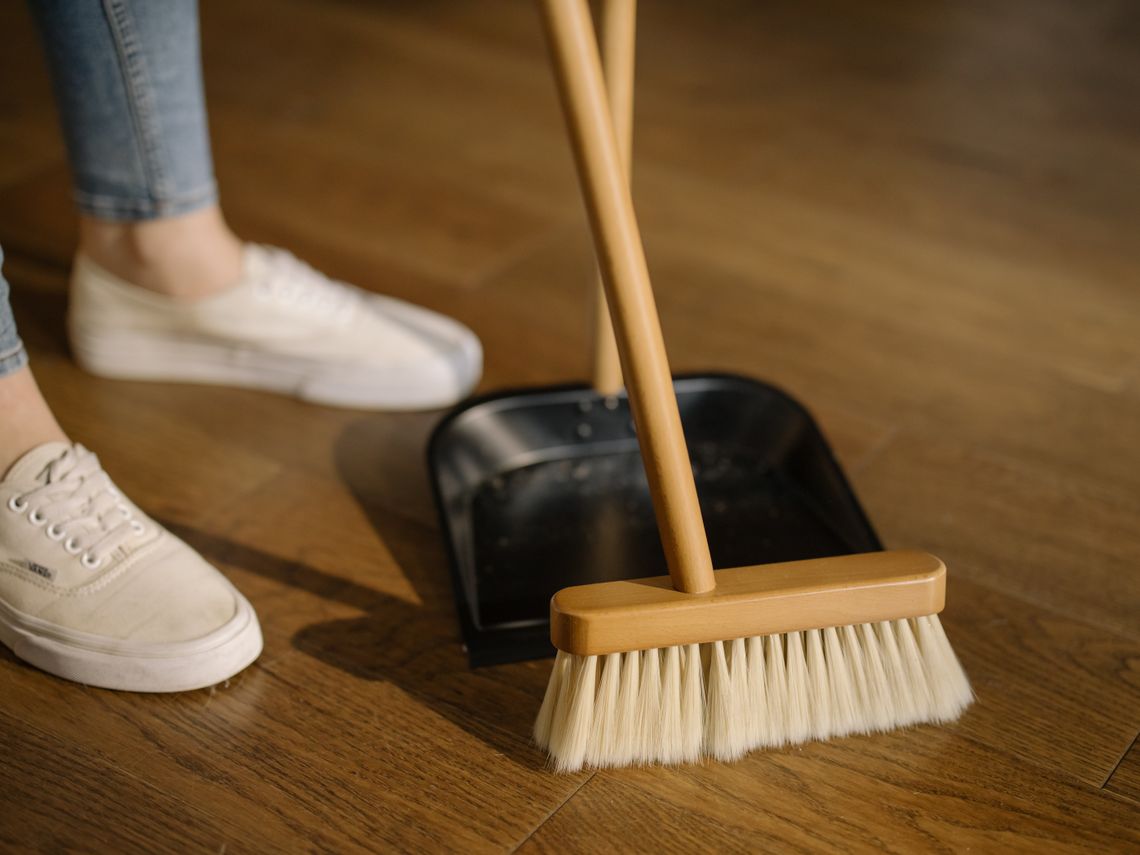
Odors often cling to spills, grease, soap film, food particles, laundry buildup, trash areas, and damp materials. Start by removing visible residue before adding scent.
Use the right cleaner for the area: all-purpose cleaners for quick resets, kitchen degreasers for cooking zones, bathroom cleaners for moisture-prone surfaces, and floor cleaners for traffic paths.
Soft surfaces hold scent longer than hard surfaces. Laundry detergents, fabric care products, and odor eliminators help refresh towels, linens, curtains, entry rugs, and upholstery.
Home fragrance works best when the room is already clean. A subtle finishing scent should support the room, not cover it or compete with lingering odors.

The Cleanvia View
Odor control is often treated as a quick spray or a single product, but a refined home care routine is more strategic. Kitchens need degreasing and food residue management. Bathrooms need moisture awareness. Laundry rooms need fabric freshness and machine-area discipline. Living rooms need soft-surface care. Entryways need shoe, floor, and air movement routines.
The goal is not to make every room smell heavily perfumed. The goal is to help the home feel neutral, bright, breathable, and composed. When the base is clean, fragrance becomes an elegant finishing layer rather than a cover-up.
Cleanvia’s odor control approach connects multiple categories: all-purpose cleaners, floor cleaners, bathroom cleaners, dishwashing supplies, kitchen degreasers, laundry detergents, fabric care, odor eliminators, and home fragrance. Each category plays a role in preventing odors from building up again.
Source Map
A polished odor control routine begins with recognition. Different rooms produce different odor types, so each one needs a slightly different response. The most effective method is to match the cleaning action to the source instead of using the same solution everywhere.
Oils and food particles can settle on stovetops, backsplashes, counters, cabinet edges, trash areas, and floors. Degreasing the cooking zone helps prevent stale kitchen odors from returning.
Plates, pans, sponges, and sink strainers can hold odor if dishwashing routines are delayed. Dishwashing supplies and sink-area resets help keep the kitchen fresher between meals.
Bathrooms often collect humidity, soap film, towel dampness, and drain-area odors. Consistent surface cleaning and towel rotation keep the room feeling clean instead of heavy.
Towels, workout clothes, bedding, and laundry baskets can hold odors when moisture stays trapped. Laundry detergents and fabric care support a cleaner textile routine.
Entryways, kitchens, hallways, and pet areas can carry outdoor residue, spills, and dust. Floor cleaners help reset the base layer of the room and improve overall freshness.
Closed rooms can feel flat even when surfaces look tidy. Odor eliminators and home fragrance work best after the room has been cleaned, aired, and visually reset.
Room by Room
Each room has its own odor pattern. A kitchen routine should focus on grease and dish residue. A bathroom routine should focus on moisture and surfaces. A laundry routine should focus on fabrics. A living area routine should focus on upholstery, soft textiles, floor paths, and air flow.
Clear food waste, wash dishes, wipe counters, degrease cooking zones, refresh sink areas, clean high-touch handles, then finish with light air care only after the source is removed.
Focus on sinks, counters, toilets, tubs, showers, drains, towels, and floor edges. Rotate damp textiles quickly and avoid letting moisture become part of the room’s background scent.
Separate damp items, wash towels and workout clothing promptly, keep laundry baskets aired, and use fabric care products to support freshness in linens, blankets, and daily garments.
Vacuum or clean traffic paths, refresh throw blankets, check upholstery, remove food packaging, and use odor eliminators before applying home fragrance.
Entry areas can hold shoe, floor, and outdoor odors. Clean mats, manage footwear, refresh nearby floors, and keep a simple odor-control routine near the door.
Before guests arrive, reset surfaces, remove trash, refresh towels, open the room briefly if possible, and finish with a subtle home fragrance that feels clean rather than overwhelming.
The Method
Use this sequence whenever a room feels stale. It keeps the routine organized and prevents fragrance from being used too early. The order matters because each step prepares the room for the next one.
Check trash, drains, sink areas, food spills, damp textiles, pet zones, laundry baskets, bathroom corners, upholstery, and high-traffic floors.
Empty, rinse, discard, wash, or move the material causing the odor. This step is essential before surface cleaning or scent finishing.
Match the product to the surface: degreaser for cooking residue, bathroom cleaner for moisture zones, floor cleaner for pathways, and all-purpose cleaner for everyday surfaces.
Wash towels, linens, soft throws, washable covers, and garments that may be holding scent. Fabric care is one of the most important parts of odor control.
Once the base is clean, use odor eliminators and a restrained home fragrance to create a fresh final impression without masking the problem.
Good Habits
Odor control becomes easier when the household routine is consistent. The best results usually come from small habits repeated often rather than one heavy cleaning session after odors have built up.
Maintenance Rhythm
A premium home care routine should feel sustainable. This schedule keeps odor control practical by dividing the work into daily, weekly, and monthly habits.
Empty food waste, rinse sink areas, wash dishes, wipe kitchen counters, hang towels to dry, remove damp laundry, and refresh small spills immediately.
Best for kitchens, bathrooms, laundry corners, and shared family spaces.
Clean high-touch surfaces, refresh floors in active areas, rotate bathroom towels, check entry rugs, and use odor eliminators where soft surfaces or traffic paths need support.
Best for entryways, kitchens, living rooms, bathrooms, and laundry baskets.
Degrease cooking zones, clean bathroom surfaces, wash bedding and towels, refresh washable textiles, clean floors more thoroughly, and review trash or storage areas.
Best for deeper odor prevention and keeping rooms guest-ready.
Check under sinks, behind appliances, cabinet interiors, fabric storage, pet areas, vents, and rarely moved textiles. Refresh home fragrance once the room is clean.
Best for hidden odor sources and long-term freshness control.
Questions
These answers are closed by default for a clean page experience. Open each item to learn how to build a more polished, practical freshness routine with Cleanvia’s home care approach.
The first step is identifying and removing the source. Check food waste, drains, damp fabrics, laundry baskets, bathroom moisture, pet zones, trash areas, grease residue, and soft surfaces before applying fragrance.
Fragrance should be used as the final layer, not the first response. Clean the surface, refresh fabrics, manage residue, and use odor eliminators where needed before adding home fragrance.
Odor control can involve all-purpose cleaners, floor cleaners, bathroom cleaners, dishwashing supplies, kitchen degreasers, laundry detergents, fabric care, odor eliminators, and home fragrance. The right category depends on the source of the odor.
Fabrics are absorbent, so towels, bedding, throw blankets, curtains, rugs, and upholstery can hold moisture and scent longer than sealed surfaces. Laundry detergents, fabric care, and regular textile rotation are important for freshness.
Manage food waste quickly, wash dishes consistently, clean the sink area, wipe counters, degrease cooking surfaces, clean floor paths, and avoid letting packaging or spills sit overnight.
Cleanvia provides 24/7 customer support, free shipping on all products, 3–5 business day delivery, an automatic 15% sitewide discount for email subscribers, selected automatic 20% product offers, and free returns or exchanges within 30 days.